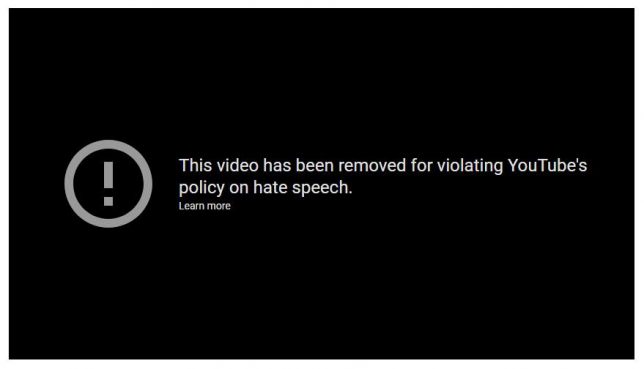
On the topic of issues in digital culture, YouTube censorship has become more prevalent than ever. This is a process in which the YouTube algorithm demonetizes videos they considered to have harsh language, or something related to hate speech. This was done to help protect the casual viewer and mostly help the community. However, this hasn’t been the case as this process has taken revenue from channels due to a couple issues with the algorithm. Obviously, this is detrimental to content creators as they aren’t allowed to create what they want. These restrictions create a divide between viewers and creators; as if the algorithm determines that some content isn’t suitable for viewers it gets removed and demonetized. To investigate this problem more, I did some research.
The first article I looked at was in the New York Times. They stated that YouTube wanted to remove “videos alleging that a group is superior in order to justify discrimination, segregation or exclusion,”. Which in idea is a good idea, as it keeps the space of the platform more accepting for all. But that does mean that parody type videos can be easily demonetized and taken down for a couple words. The overall idea that YouTube wants to omit hateful or racist speech is a phenomenal idea but in practice it seems that it doesn’t work as well as they wanted. Even though the company has stated that there is a “three-strike enforcement system,” which gives the creators more options to improve. But one must wonder if this violated first amendment rights, with not allowing creators to voice their opinions; even if they happen to be hateful or defined as such, people should be able to voice their opinion and start conversations.
Next, I read an article on Forbes that outlined the same issue. They talk about how one video was taken down due to violating the hate speech guidelines given by YouTube. The argument against this is that they believe that “this topic of such medical treatments should be left open for debate.”. Which is not unreasonable as sparking debate is one of the main reasons for creating content and using the different platforms like Facebook, Twitter, and YouTube alike. They also go into what YouTube’s reasoning for their guidelines are through Dr. Tonya Hansel. “With the increase in cyberbullying, cyber-based cult recruiting, and online pedophiles, there is a growing need for computer science to help protect the nation’s youth,”, which reflects our society more than anything. With a stronger emphasis on protecting the youth, rather than what was accepted 10 years ago. The younger generation of viewers have been raised differently and through that social media and the internet have had to change with the times. Unfortunately, this has meant that censorship is prevalent to “protect” the youth of the 21st century. Which doesn’t allow for discussions to happen, instead having less interaction among viewers with mostly views and likes being what matters for YouTube.
Looking more into the issue, I read an article on Newsweek. This article was on the topic of educational videos being removed for their content. The author had created a video about the Holocaust and YouTube censored it. Making it so it so the viewer had to be 18 years old to view the video. This is confusing as most high school students would need to view a video like this, as in any history class there will be some time they learn about the horrific event. This could be very well true of videos about other things that relate to education. Such things as the Rwandan Genocide and even the novel Huckleberry Finn could be considered to go against the algorithm that has been set up. As they have racism and brutality, even though they are educational materials. Leading to the question of why do we censor education even if it has some forms of hate, even though in the case of history it is just a sign of the time. As it was what was accepted during the time, even if its not the same in the 21st century.
Finally, I looked into an article on Vice news. This article accounts the history of YouTube censorship and how it has created many issues with creators and viewers. In one case, “Abbas, an award-winning blogger and anti-torture activist, had used the platform to draw attention to police brutality in Egypt, uploading more than a hundred such clips. Although there were rumors that YouTube’s decision had come at the behest of the Egyptian government, the company later told Abbas that it had removed the videos after receiving numerous complaints from other users.”, was suspended due to his content. As this was controversial to YouTube, they removed it. But it was about an important issue, so the reasoning behind the suspension is not very valid. As the content created was to inform and shine a light onto an issue going on in the world. So, the reasoning behind YouTube censorship is put into question on if its necessary. As this is the same information that would be put on the news, just on a different platform.
The whole issue of YouTube censorship has only become prevalent in the 21st century due to societal norms and a misguided sense of what’s acceptable. In many cases YouTube chooses well and doesn’t allow things such as hate speech or racism to be successful on its platform. But they also choose to just use an algorithm to judge if a video is safe, rather than being viewed. This was eventually going to cause issue among the users, and it happened very quickly. Taking away some important information from viewers especially if the censored content happens to be educational in value. Overall, the whole issue of censorship shouldn’t be an issue as even if the opinion is wildly wrong, it creates discussion among the platform and its users which is beneficial to our society as we can learn from others.

